
MIRAI Humanoid Project · Moonshot Goal 3
Multilayer Instruction and tRansfer for Autonomous Intelligence
Robots that are taught, learn, and pass skills on. A team of young PIs building Physical AI foundations from Japan.
The Future We Aim For in 2050
Vision1Adaptation: picking up the job fast
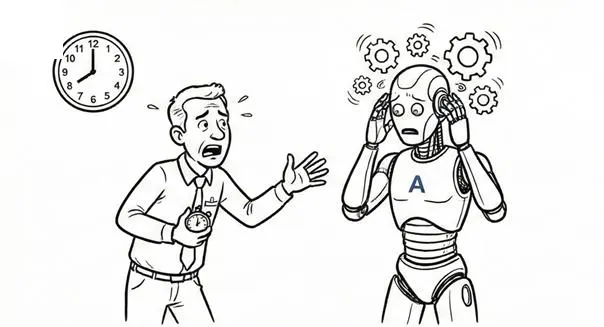
On day one, the owner drills the robot in the job — by voice, by example, and hand over hand.
2Generalization: handling work it was never taught
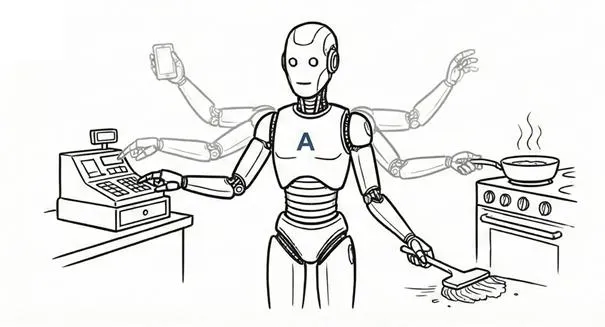
Within a week, simple spoken instructions are enough — even for unfamiliar tasks.
3Transfer: teaching robots and people
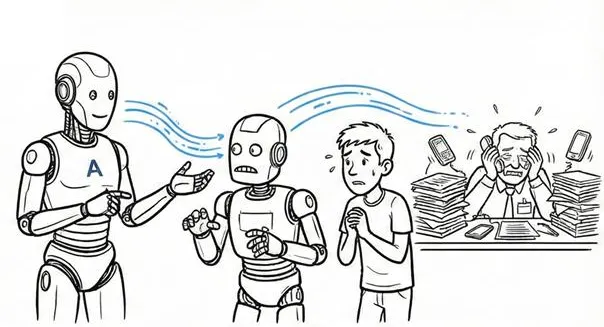
Combining the owner’s lessons with its own know-how, it teaches the newcomers.
4Trusted to run the shop
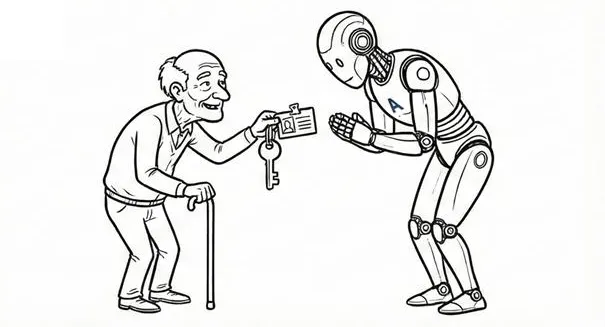
Years pass, and the owner grows old. The robot takes charge of the shop, leading people and robots.
News
- PM Kawaharazuka Visits KUPAC, Kyoto University's Physical AI Community
- PM Kawaharazuka Makes a Site Visit to PI Kobayashi at the National Institute of Informatics
- RSJ2026 OF16 — Imagining Life with Robots through Genbook and Science Fiction Prototyping
Team
Young PI Team
Nine PIs integrate their research on a shared platform.
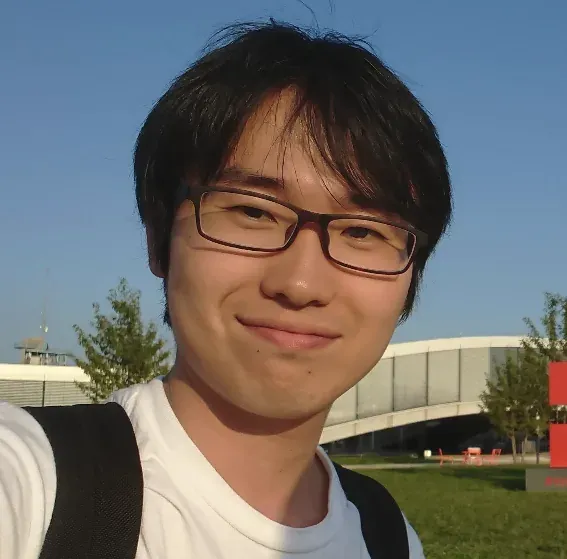
Kento Kawaharazuka
01Body Design and Learning Control
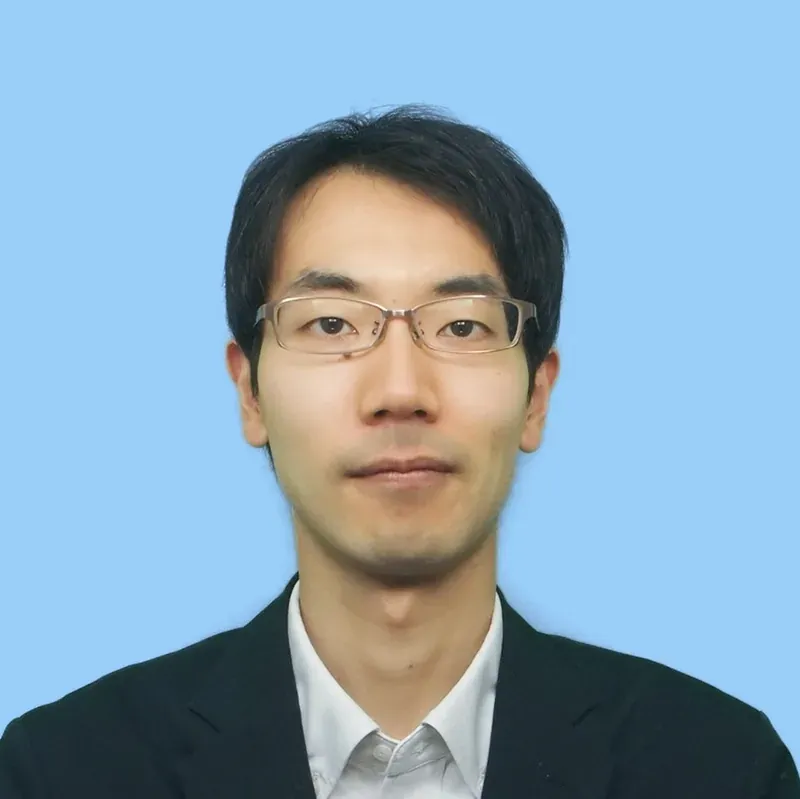
Masaki Murooka
02Behavior Foundation Models
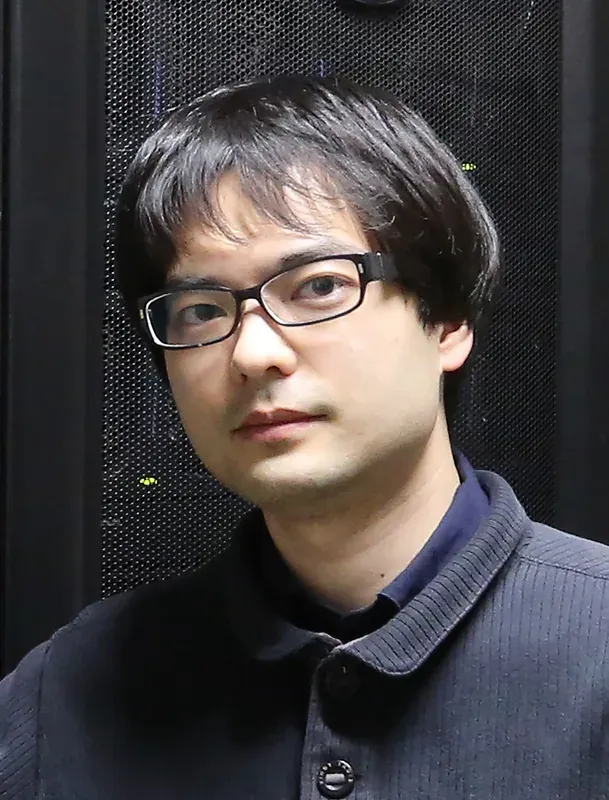
Shuhei Kurita
03Robot Foundation Models

Asako Kanezaki
04Spatial Foundation Models

Satoshi Yagi
05Humanoid Systems for Inheritance
Kazuki Miyazawa
06Humanoid Systems for Instruction
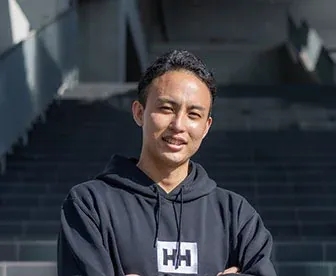
Kohei Honda
07Growth through Real-World Experience
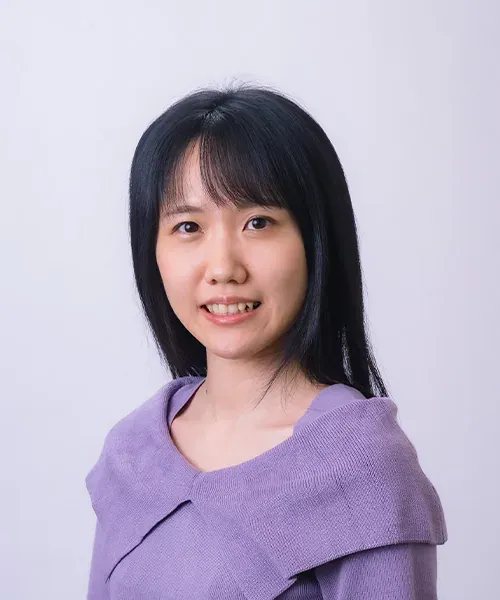
Chie Hieida
08Emotion Models
Taisuke Kobayashi
09Robot Learning Theory
Research Architecture
3 research themes, 9 research projects
Projects are not a fixed hierarchy. Every PI works across the three themes, integrating results on a shared platform.
Theme 1
Humanoid R&D for instruction and inheritanceHumanoid
Theme 2
Foundation systems enabling instruction and inheritanceFoundation systems
Theme 3
Task execution and social implementation based on instruction and inheritanceTasks & society
- 01Body design and learning control for instruction and inheritanceKawaharazuka
- 02Behavior foundation models that grow through instruction and inheritanceMurooka
- 03Robot foundation models that grow through instruction and inheritanceKurita
- 04Spatial foundation models that connect diverse modalities and growKanezaki
- 05Humanoid systems enabling multi-layered inheritanceYagi
- 06Humanoid systems enabling multi-layered instructionMiyazawa
- 07Humanoid systems that grow through real-world experienceHonda
- 08Robot emotion models enabling instruction and inheritanceHieida
- 09Robot learning theory: from instruction to inheritanceKobayashi
Roadmap
Milestones toward 2030
2026
Prototypes and initial foundations
Initial research platforms and foundation models.
2028
Demonstration under known conditions
Teaching and inheritance in known environments, tasks, and bodies.
2030
Real-robot demonstration under unknown conditions
Adaptation to unknown environments, tasks, and bodies; spot work; skill inheritance on real robots.
Platforms
Research Platforms
Early exploration runs on off-the-shelf and joint platforms, in parallel we develop MEVA — our own open-source humanoid — and ultimately integrate the results.
- Developed in this project
MEVA
An open-source humanoid to be developed by this project.
- Joint research
PFH
A humanoid robot developed by Toyota Motor Corporation. We collaborate on hardware feedback and software development.
- Off-the-shelf
Unitree G1
An off-the-shelf platform used for early exploration.
Join Us
Join the project
Together with researchers, students, and industry, we are building Physical AI foundations for teaching and inheritance.
Researchers & students
Research participation, RA positions, and internships in PI labs.
Student community
Student community activities around Physical AI.
Industry
Co-creation of demonstration tasks, joint research, and technology transfer.
Institutions
Participating institutions
The University of Tokyo, AIST, National Institute of Informatics, Tohoku University, The University of Osaka, Nagoya University, The University of Electro-Communications, Kyoto University, Institute of Science Tokyo
Toyota Motor Corporation